

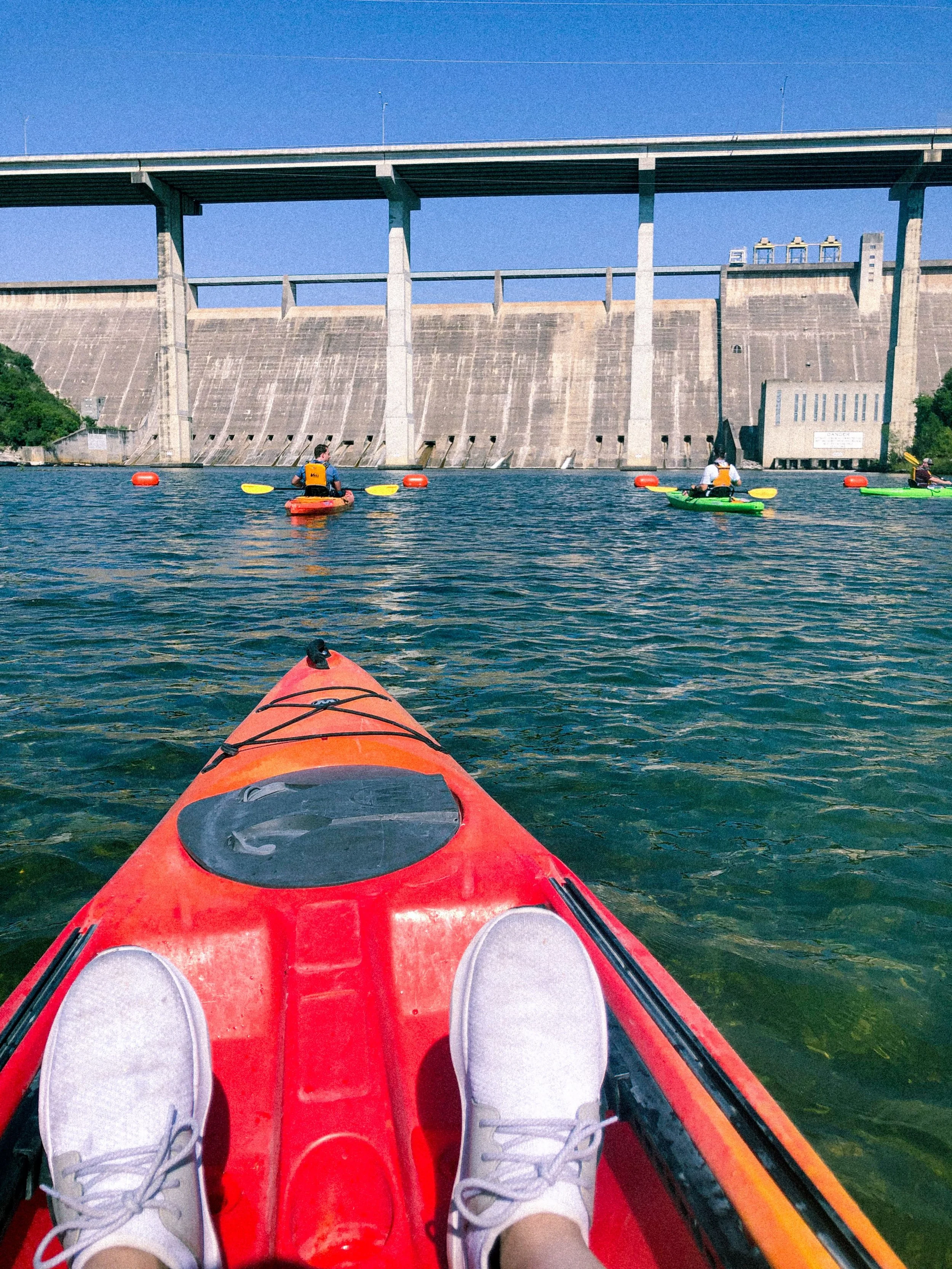
Quick answer
No confirmed alligator populations exist in Lake Austin. The lake's elevation, cooler water temperatures, and distance from coastal breeding habitats make it unsuitable for American alligators, which prefer shallow, warmer waters in East Texas and the Gulf Coast region. While rare transient sightings have occurred in downstream portions of the Colorado River system, wildlife officials have documented no established alligator presence in Lake Austin itself.
Lake Austin's deepest point reaches 75 feet near Tom Miller Dam, holding water that stays significantly cooler than the shallow bayous and marshes where alligators thrive. The reservoir formed when engineers dammed the Colorado River nearly nine decades ago, creating a narrow, winding lake that serves Austin's municipal water supply and recreation needs. American alligators require specific conditions to survive and reproduce. They need shallow wetlands with consistent warm temperatures, muddy banks for nesting, and abundant prey fish populations. Lake Austin lacks these characteristics. Its steep limestone banks, fluctuating water levels controlled by hydroelectric operations, and urban development along much of its shoreline create an environment fundamentally different from alligator habitat. The closest confirmed alligator populations live more than 100 miles southeast in the Brazos and Colorado River floodplains near the coast. Texas Parks and Wildlife maintains no alligator management protocols for Lake Austin or the surrounding Highland Lakes chain. The department's alligator distribution maps show the species' western range ending well east of Travis County. Occasional reports surface when recreational users mistake large snapping turtles, river otters, or waterlogged debris for reptiles. One verified transient alligator appeared briefly in Lady Bird Lake downstream in 2015, likely carried by floodwaters, but officials relocated it and documented no breeding activity. The lake does support native wildlife worth observing. Great blue herons and cormorants fish along the shorelines. Largemouth bass, catfish, and sunfish populations attract anglers year-round. River otters have returned to certain coves after decades of absence. Painted turtles and red-eared sliders sun themselves on logs and boat docks during warm months. Understanding what actually lives in these highland waters helps visitors prepare appropriately rather than worrying about threats that do not exist in this ecosystem.
“Lake Austin's elevation, controlled water levels, and steep limestone banks create conditions fundamentally incompatible with alligator habitat requirements.”
Are There Alligators in Lake Austin? Fact vs. Myth
Reports of alligators in Lake Austin are common due to the animals' presence in other parts of Texas and misidentification of native wildlife. Scientific consensus confirms that Lake Austin is outside the natural range of the American alligator.
MythAlligators live in Lake Austin
FactLake Austin is outside the native range for American alligators and no established population exists.
MythLarge logs or debris are alligators
FactFloating wood or debris often appear as reptilian silhouettes from a distance, leading to misidentification.
MythRiver otters or large turtles are alligators
FactLocal wildlife such as river otters, snapping turtles, and large fish are frequently mistaken for alligators by casual observers.
When Is the Best Time to Visit Lake Austin?
The best time to visit Lake Austin is during the early morning arrival window of 06:00–10:00. This period offers lower heat and reduced motorized boat traffic on the water, providing a calmer experience for those exploring the lake.
Weekday mornings
Minimal activity—
Arriving between 06:00–10:00 ensures a peaceful environment before local boat traffic increases. It is the optimal time to navigate the water comfortably.
Spring (March–May)
Moderate crowdsMild temperatures (65°F–80°F)
The weather is pleasant and conducive to outdoor activities. Mornings remain the best time to beat rising daytime temperatures.
Summer (June–August)
High motorized boat trafficHot temperatures (90°F+)
Water traffic peaks during these months. Visitors should arrive by 06:00 to enjoy the lake before the heat intensifies.
Fall (September–November)
Moderate crowdsComfortable temperatures (70°F–85°F)
Cooling temperatures make for a pleasant visit. Early morning arrivals continue to provide the best conditions for a quiet water experience.
Verdict: The concrete best slot is arriving between 06:00–10:00 on a weekday during the months of April or October.
Opening Hours for Lake Austin Access
Lake Austin remains accessible to the public throughout the week. The water is open for navigation and recreational use at all hours.
| Monday | 00:00–23:59 | |
|---|---|---|
| Tuesday | 00:00–23:59 | |
| Wednesday | 00:00–23:59 | |
| Thursday | 00:00–23:59 | |
| Friday | 00:00–23:59 | |
| Saturday | 00:00–23:59 | |
| Sunday | 00:00–23:59 |
Are There Alligators in Lake Austin — Entry Fees and Costs
Access to Lake Austin is open to the public without a general admission fee. Costs associated with visiting are typically linked to specific park facilities or boat launch sites.
A typical adult pays 0 USD for lake access, though individual park access fees may vary.
Check availability
Frequently asked questions about are there alligators in lake austin
Everything you need to know about are there alligators in lake austin